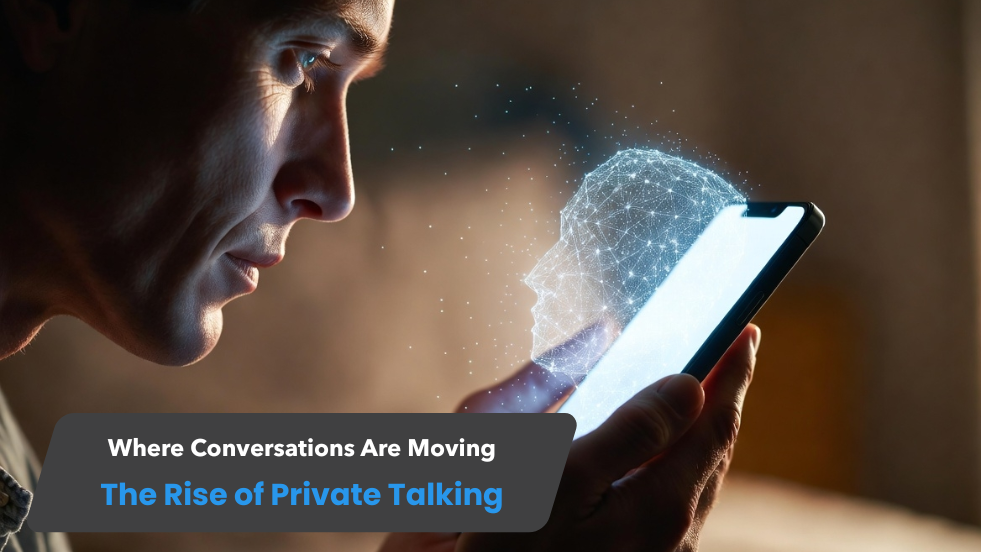
As public sharing declined, private communication increased. Messaging platforms, small group chats, and closed communities now play a central role in digital interaction. These spaces offer context, familiarity, and control, allowing conversations to unfold without external judgment.
Private spaces differ from public platforms in important ways. Conversations feel less permanent, audiences are limited and known, tone is easier to maintain, and emotional expression feels safer. This preference for controlled interaction created conditions where private AI companions could naturally integrate into daily digital habits.
Why Private AI Companions Attract Users
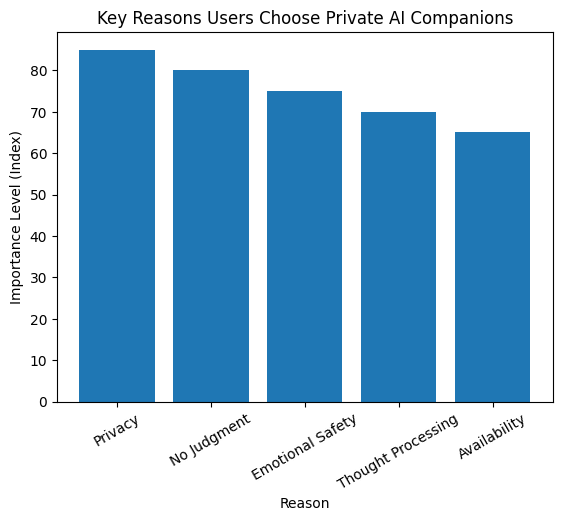
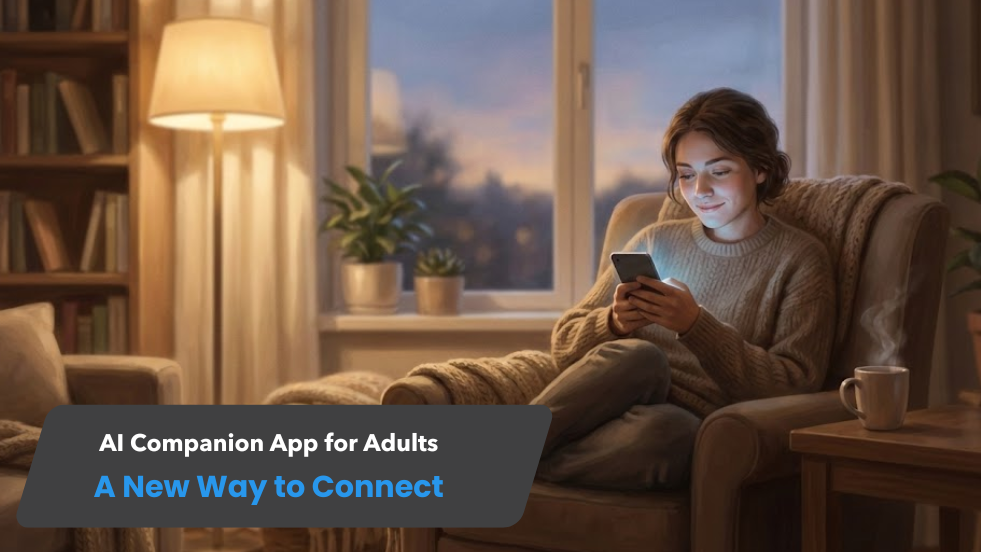
Private AI companions align closely with existing preferences for privacy and low pressure communication. Unlike public platforms, AI conversations are not designed for visibility or social feedback. They exist solely for the user.
Users are drawn to AI companions because they are immediately available, remove fear of judgment, allow exploration of sensitive or unfinished thoughts, and can be excited at any time. Importantly, most users do not treat AI companions as replacements for relationships. They are used as tools for thinking, practicing, or clarifying ideas before engaging with others.
Private Processing Over Public Expression
Public platforms prioritize expressions meant for others. Private AI conversations support internal processing. Many people now prefer to think through emotions and ideas privately before sharing them.
AI companions allow users to organize thoughts, rehearse conversations, and ask questions without embarrassment. Because there are no reactions or reputational consequences, users can explore uncertainty and revise their thinking freely. For many, this experience feels mentally restorative rather than isolating.
Limits and Responsible Use
While private AI companions support reflection and clarity, they are not substitutes for human interaction. Overreliance can limit real world connection if not balanced thoughtfully.
The greatest value comes when AI tools are used as supplements that support thinking and communication, while relationships and communities continue to provide connection.
Implications for the Future of Digital Communication
The movement away from public posting signals a broader transformation in digital culture. Users increasingly value emotional safety, smaller trusted audiences, control over expression, and reduced reliance on public validation.
Social media remains an important layer of digital life, but it is no longer the primary space for personal processing. That role is increasingly fulfilled by private tools, including AI companions.
Conclusion
The shift from public posting to private talking reflects changing user priorities rather than withdrawal from digital life. People are choosing communication environments that align with their emotional needs and comfort levels.
Private AI companions have gained traction because they offer privacy, control, and low pressure interaction. Their growth highlights a future where digital communication is more intentional and centered on individual agency.