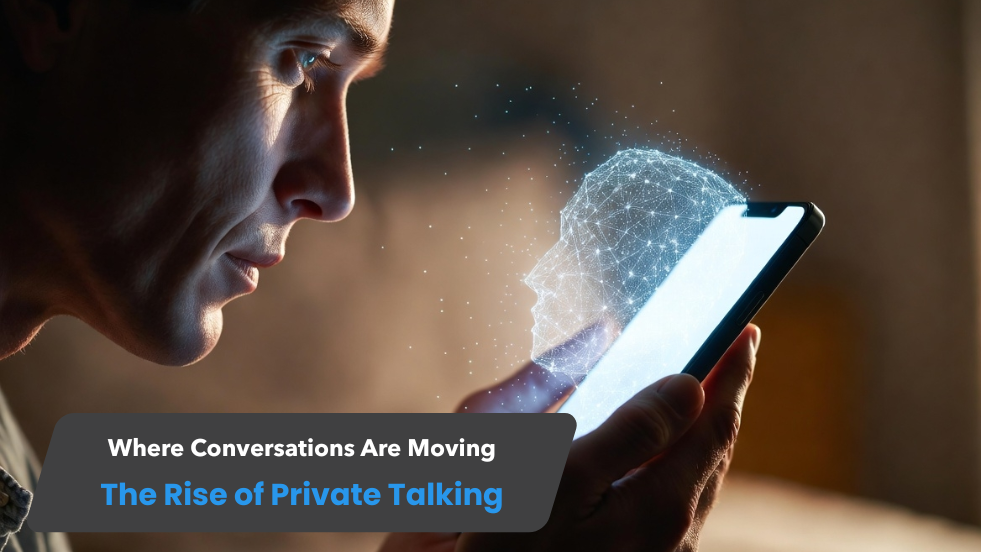
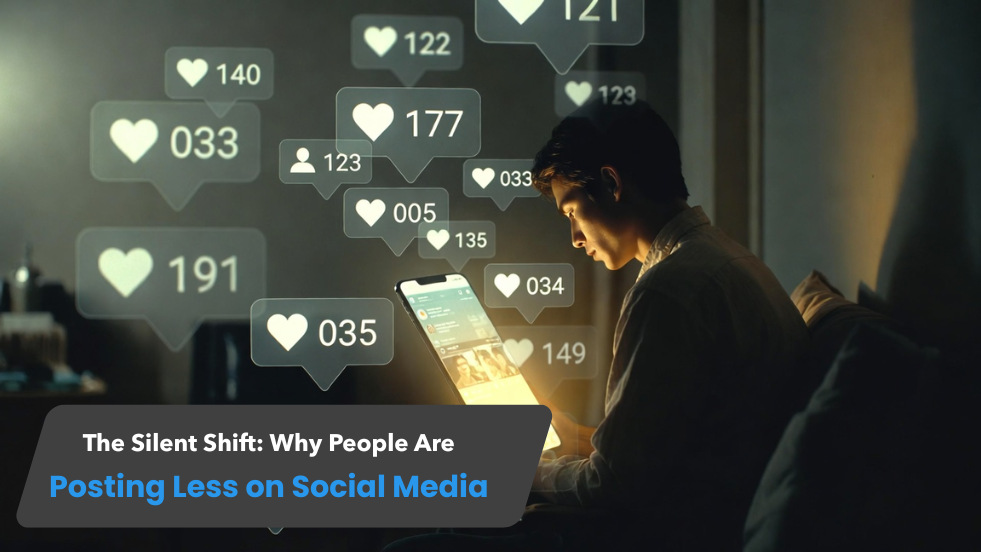
Social media once represented the center of digital expression. Public timelines, open comment sections, and visible reactions shaped how individuals shared opinions, experiences, and emotions online. Over time, however, user behavior has begun to change. While people remain highly connected digitally, they are increasingly posting less in public spaces and engaging more in private forms of communication.
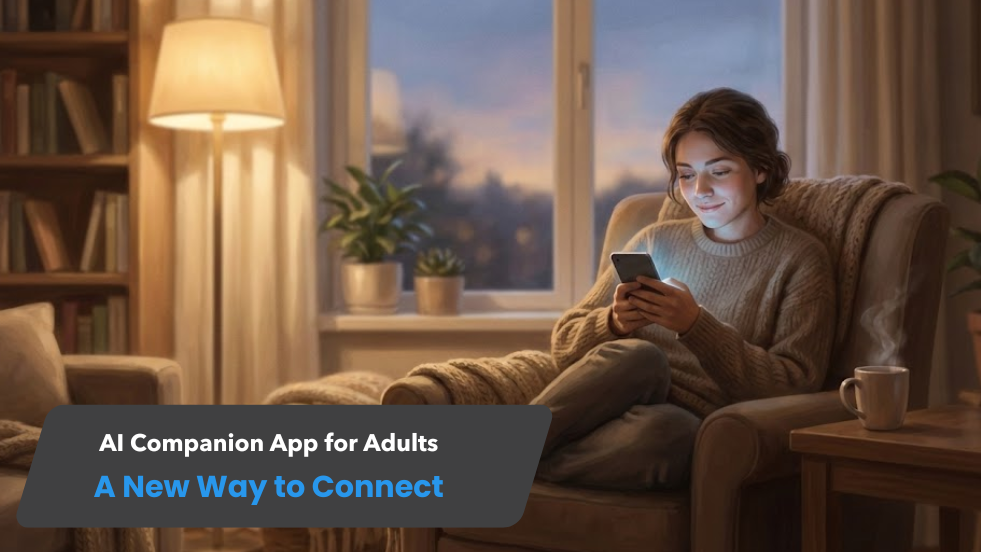
Alongside this shift, private AI companions have emerged as a new conversational medium. These tools are not replacing social platforms outright, but they are increasingly used for personal dialogue, reflection, and low pressure interaction. Understanding why this transition is happening requires examining how users now perceive visibility, privacy, and emotional safety in digital environments.
The Changing Nature of Public Social Media
Public social platforms are built around exposure. Content is designed to reach wide audiences, generate reactions, and remain accessible over time. While this structure supports discovery and community building, it also introduces social pressure.
As platforms matured, public posting became increasingly performative. Users began to consider how content might be interpreted, shared, or criticized. Personal expression often felt tied to reputation management rather than authenticity. For many users, this led to hesitation around posting thoughts that felt incomplete, emotional, or context dependent.
Instead of encouraging openness, constant visibility created restraint. Over time, this contributed to a noticeable decline in how frequently people share personal content publicly, even though overall platform usage remains high.
Visibility Fatigue and Emotional Cost
One of the primary drivers of reduced public posting is visibility fatigue. Digital environments that operate at scale expose users to ongoing evaluation, comparison, and reaction. Even neutral or well intentioned posts can attract unexpected responses.
This environment produces emotional costs such as fear of misinterpretation, pressure to maintain consistent opinions, anxiety around permanent digital records, and exhaustion from managing feedback.
As a result, many users have become more selective about what they share publicly. Reduced posting often reflects self protection rather than disengagement.
Conclusion
This shift away from public posting has not reduced the need for communication. Instead, it has changed where that communication happens.